Background
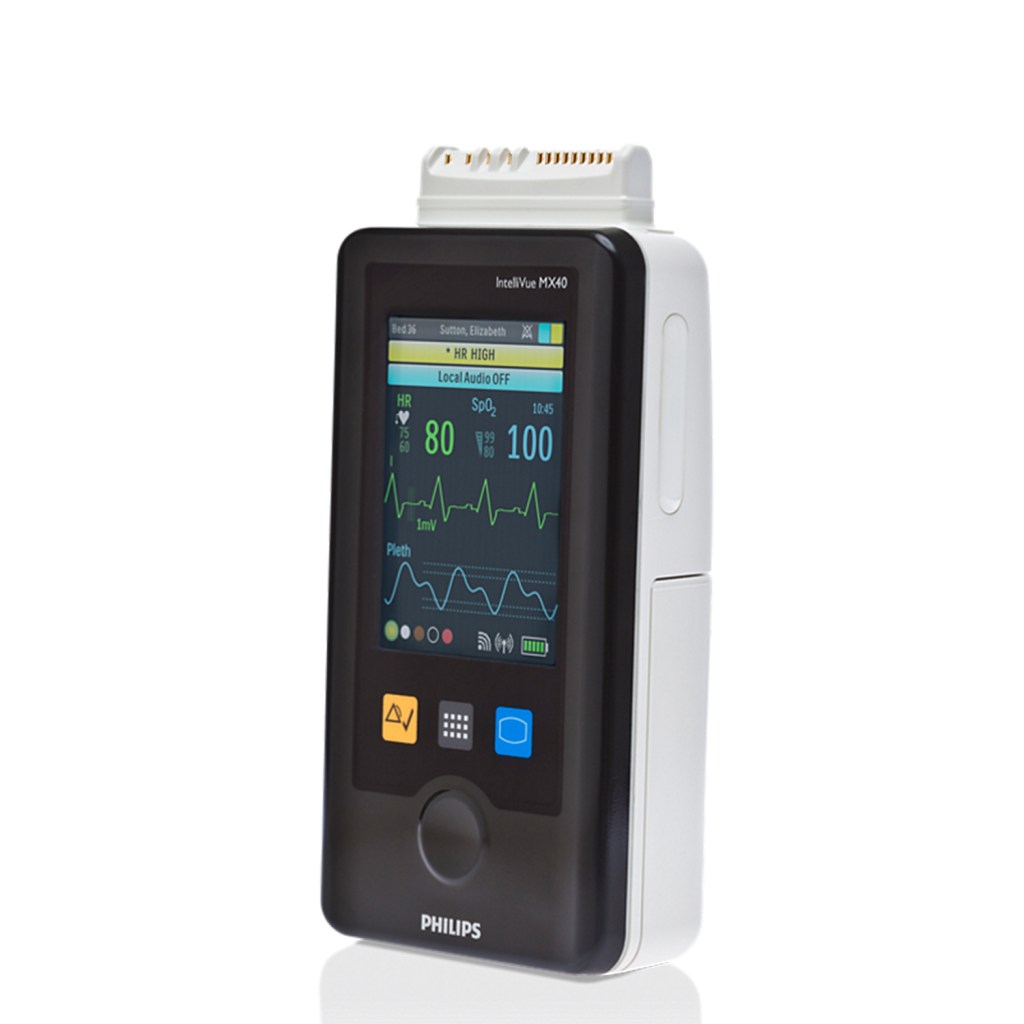
Telemetry monitoring is a crucial tool for continuous cardiac monitoring of hospitalized patients, especially for those at risk of acute cardiac events. However, unnecessary prolonged telemetry can strain hospital resources, lead to alarm fatigue, and increase healthcare costs. This case study explores clinical decision-making regarding the discontinuation of telemetry after 48-72 hours based on physician responses to survey questions about criteria, approaches, and the role of nurses in initiating discontinuation.
To handle telemetry monitoring better, hospitals should have clearly defined and implementable measures to remove monitoring after 48–72 hours. These measures include resolving symptoms that lead to telemetry-initiated, average, or non-concerning EKGs and maintaining stable vital signs for a sufficient duration. It is advisable to take a combination approach that combines standardized protocols with room for physicians’ discretion to customize for each patient. Nurses need to proactively identify patients who meet these conditions and promptly call the doctor to halt them. Employee training on telemetry protocol and data monitoring will ensure that practices align with patient safety and hospital efficiency. It is possible to minimize unneeded surveillance drastically, avoid alarm fatigue for caregivers, and save hospital resources without compromising the quality of care.
Evidence-Based Rationale:
Despite the findings, we know from several studies that long-term telemetry deployments without obvious signals are not more beneficial for patients and lead to alarm fatigue, which is also a sign of poorer care quality (Drew et al., 2014). This criteria-based withdrawal occurs when symptoms subside and the heartbeat returns to normal, according to the American Heart Association recommendations (Sandau et al., 2017). Educating nurses to actively participate in telemetry management can also optimize patient safety and resource use (Olson et al., 2019).
Purpose:
This policy aims to provide a structured, evidence-based approach to safely discontinue telemetry monitoring after 48-72 hours for hospitalized patients, ensuring effective use of healthcare resources and reducing alarm fatigue without compromising patient safety.
Scope:
This policy applies to all physicians, nursing staff, and healthcare personnel involved in patient monitoring and care within the facility.
References:
Drew, B. J., Harris, P., Zègre-Hemsey, J. K., Mammone, T., Schindler, D., Salas-Boni, R., … & Hu, X. (2014). Insights into the problem of alarm fatigue with physiologic monitor devices: a comprehensive observational study of consecutive intensive care unit patients. PloS one, 9(10), e110274. https://doi.org/10.1371/journal.pone.0110274
Sandau, K. E., Funk, M., Auerbach, A., Barsness, G. W., Blum, K., Cvach, M., … & Wang, P. J. (2017). Update to Practice Standards for Electrocardiographic Monitoring in Hospital Settings: A Scientific Statement From the American Heart Association. Circulation, 136(19), e273-e344. https://doi.org/10.1161/CIR.0000000000000527
Olson, D. M., Kerr, M. E., Sereika, S. M., & Rudy, E. B. (2019). Telemetry Monitoring: Efficacy and Limitations. Journal of Clinical Nursing, 28(10), 15-20.
 Healthcarebeyond
Leave a comment